The real difference between the two
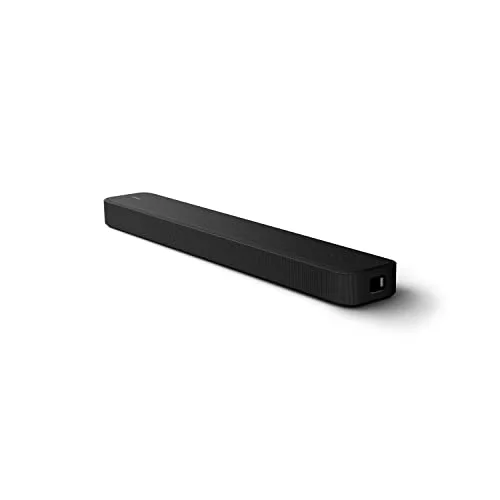
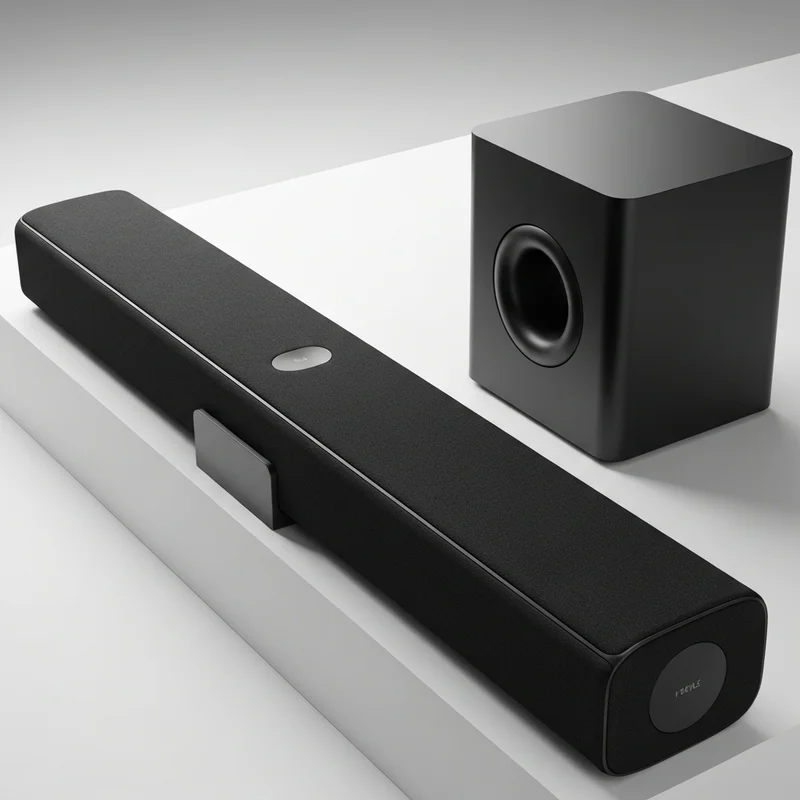
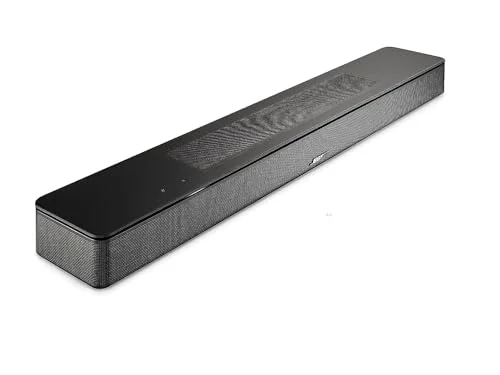
A soundbar is a single, self-contained unit, sometimes with a separate subwoofer and rear speakers, that does most of the work of a surround system from one tidy box. It connects to your TV with one cable and sets up in minutes. A full home cinema system is a set of separate speakers — front left and right, a centre, rear surrounds and a subwoofer — connected to an AV receiver that powers and processes them. The receiver does the decoding and amplification that a soundbar handles internally.
The practical consequence is a trade-off between performance and convenience. A separate system can sound more powerful and immersive, with precise speaker placement and easy upgrades, but it needs space, careful positioning, speaker cable and a receiver to set up and tune. A soundbar gives you most of that benefit with a fraction of the effort and clutter. Which matters more to you is the whole question.
When a soundbar is the better choice
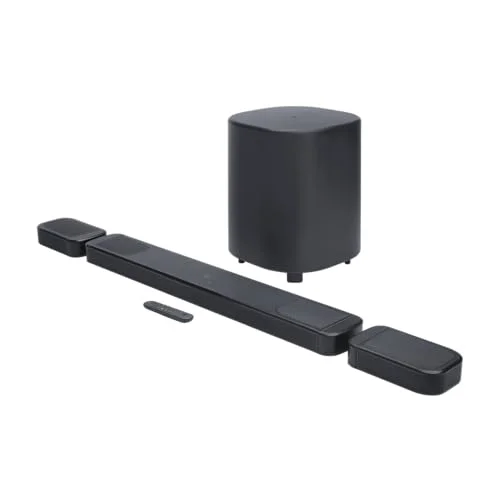
For the great majority of living rooms, a soundbar is the smarter buy. It wins on tidiness, with no speaker wire across the room and no receiver to find a home for. It wins on simplicity, setting up in minutes with one cable. And it wins on value, delivering a transformative upgrade over TV speakers for far less than a full system costs. The best bars also get remarkably close to separate-system sound: a model like the JBL Bar 1000, with detachable wireless rear speakers and a subwoofer, gives you genuine surround without any of the wiring.
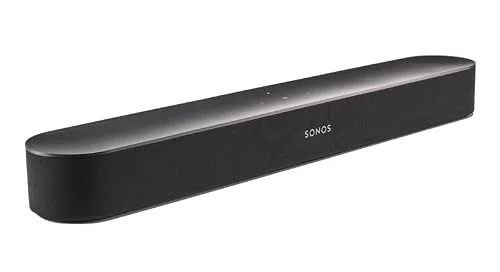
A soundbar is the right answer if you value a clean living room, want a straightforward setup, are renting or move often, or simply do not want to manage multiple speakers and a receiver. For most people in most rooms, that describes them — which is why a good soundbar is the default recommendation. The Sonos Beam for a normal room or the Samsung HW-Q800C for film nights covers the vast majority of homes beautifully.
When a full home cinema system is worth it
A separate system makes sense in specific cases. If you have a dedicated room or a large, fixed living space, you can place speakers precisely for the most immersive, accurate surround. If you are an enthusiast who wants the absolute best sound and is happy to position speakers, run cable and tune a receiver, a separate system offers a ceiling a soundbar cannot reach. It also offers more power for very large rooms and easy, piece-by-piece upgrades over time.
The costs are real, though. A full system needs space for several speakers and a receiver, careful placement to sound its best, speaker cable that has to be routed, and more time and knowledge to set up and calibrate. If those things appeal to you as part of the hobby, a separate system rewards the effort. If they sound like chores, a soundbar will make you happier — and in a typical living room, a top soundbar with rears closes most of the gap anyway.
Start with a soundbar, expand later
One of the best things about modern soundbars is that you do not have to choose everything at once. Many systems are expandable: bars from Sonos, Samsung and JBL let you add a wireless subwoofer and rear speakers over time. That means you can begin with the bar alone, live with it, and add bass or rear channels later as your budget allows, without replacing what you already own. It is a low-risk way to build towards a fuller surround setup, and it spreads the cost. If you are torn between a bar and a system, an expandable soundbar gives you a sensible middle path: most of the benefit now, room to grow later.